BalanceBikeToddler
A foldable electric scooter trades a fixed commuter frame for one you can carry. How motor, range, fold, and certification decide the safe pick.
Foldable Electric Scooter: Power You Can Carry
A foldable electric scooter folds small enough to bring indoors or onto transit, trading top speed for portability. The motor, the battery range, and the fold mechanism decide whether it fits your routine.
These scooters sit between a child's kick scooter and a full commuter e-scooter. For a family, the portable models are the ones a teen can store in a closet and a parent can lift. Below are the criteria that separate a safe, usable folder from a toy with a battery.
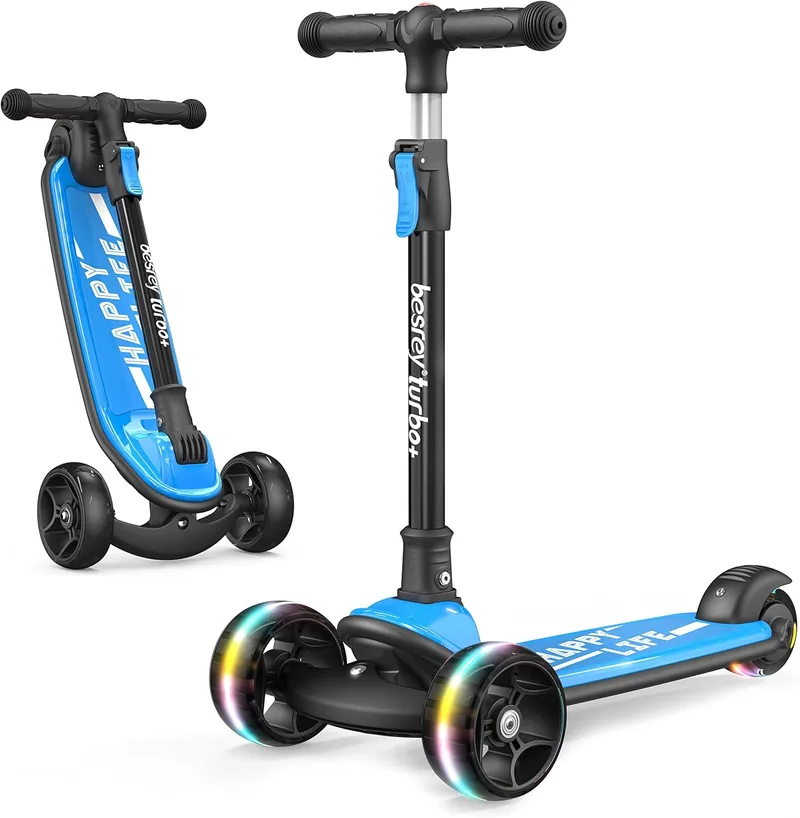
The fold, up close
Hinge placement and stem height are easiest to judge from a side view. Compare those details here with the carry weight and range limits discussed above.
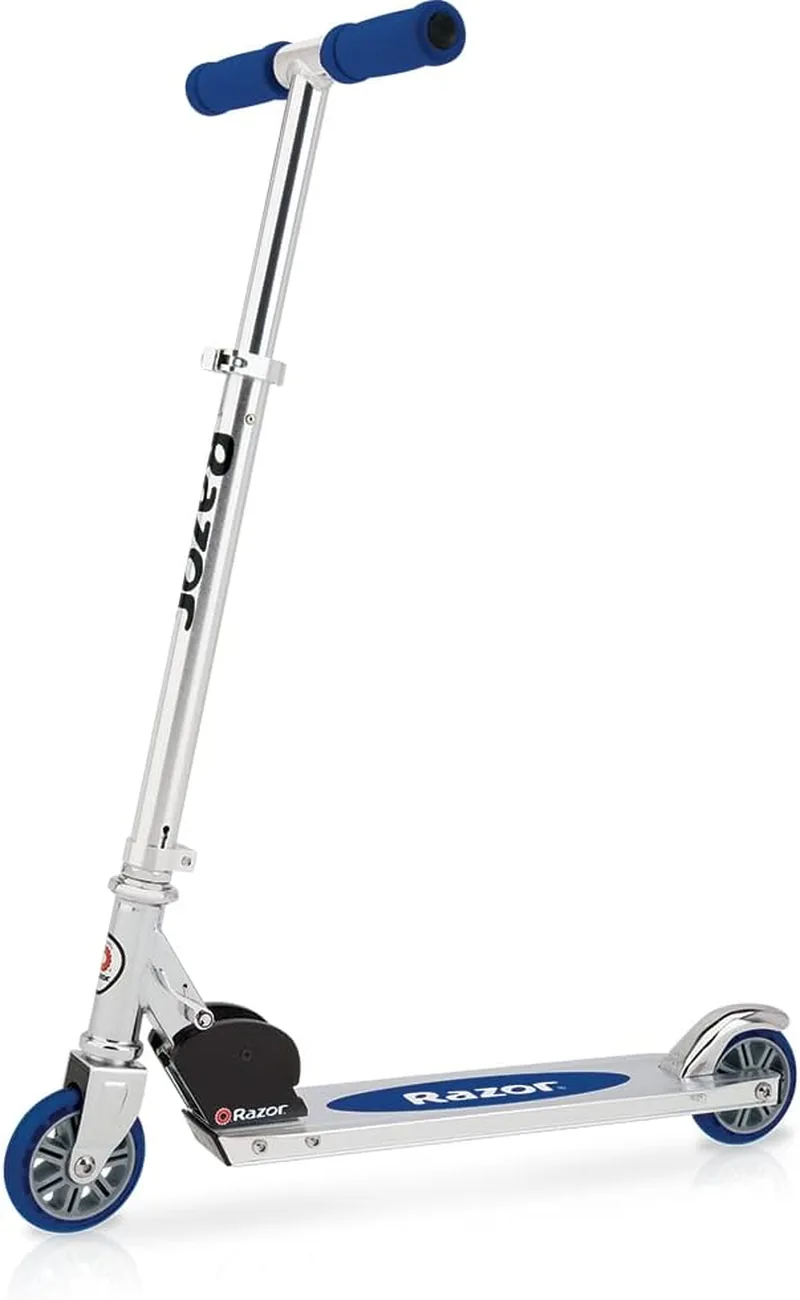
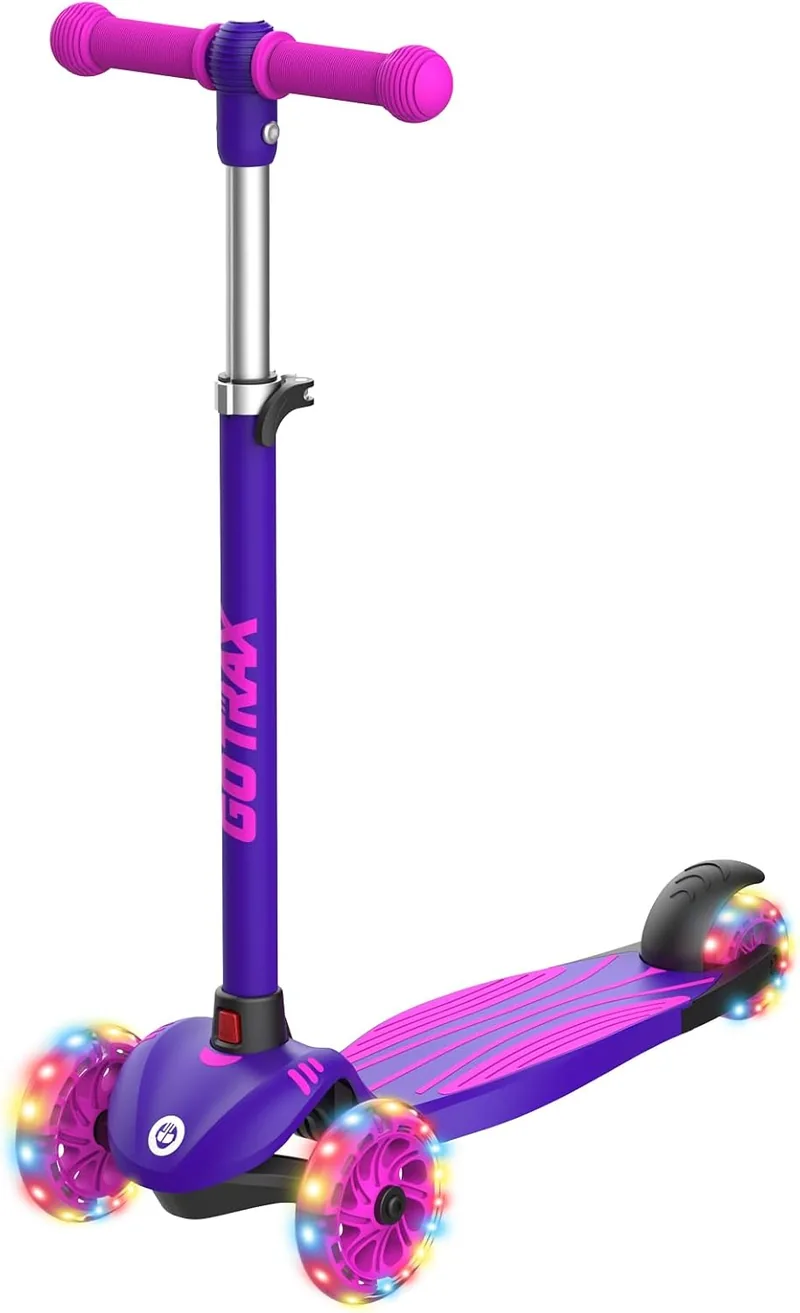
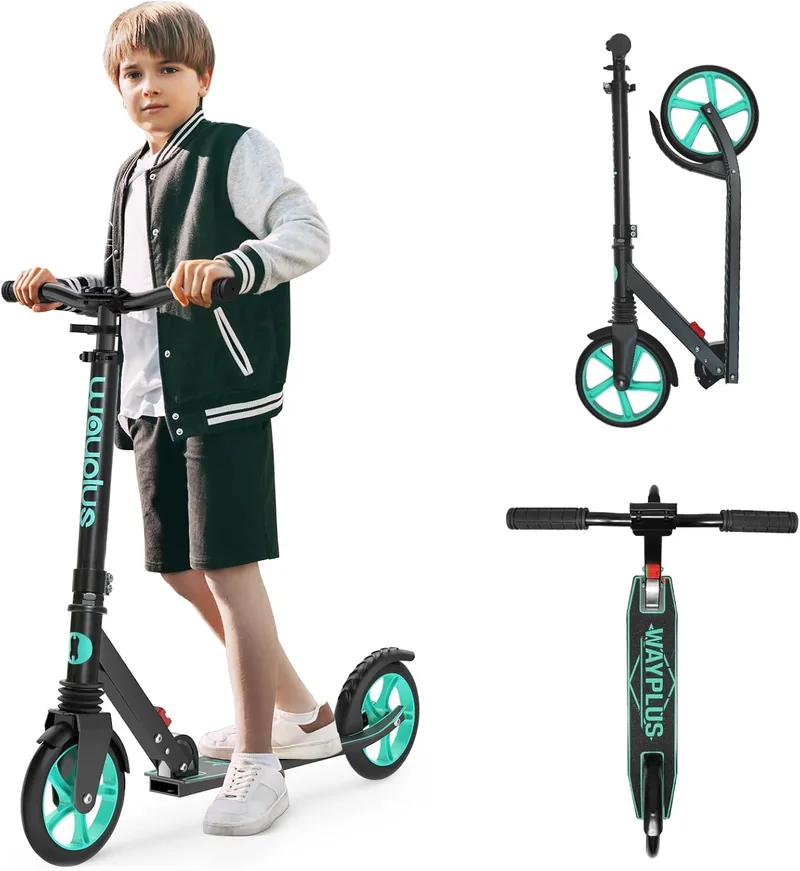
Motor, range, and the number that matters
Rated motor wattage and stated range are the two figures to compare, but read range as a best case on flat ground. A heavier rider, a hill, or cold weather all shorten it. Match the stated range to your real round trip with margin, not to the headline number.
The fold and the weight
A folder is only as good as its latch. It should lock open and shut without slack, and the folded size should fit the space you actually have — a hallway, a car trunk, under a desk. The scooter's own weight decides who can carry it; check it against the person lifting it daily.
Certification and brakes
For any ride with a battery, look for a recognized electrical safety certification such as UL 2272 on the e-mobility side. Pair it with a real brake (disc or regenerative plus a foot brake) and decent deck grip. Age and local rules decide who may ride — confirm both before purchase.