BalanceBikeToddler
A baby stroller carries a newborn through the toddler years. How the forms differ, which safety marks matter, and what to check before you buy.
Baby Stroller: Choosing One That Lasts the First Years
A baby stroller is one of the few purchases that stays in daily use from the newborn weeks into the toddler years. The right one depends on your child's age, how you travel, and which safety marks the model actually carries.
Strollers are sold in overlapping categories — full-size, lightweight, jogging, double, and travel — and the labels do not always say which age each one fits. Below we separate what a stroller must do for a newborn from what only matters once a child can sit up, then walk through the standards and the features that differ between models.
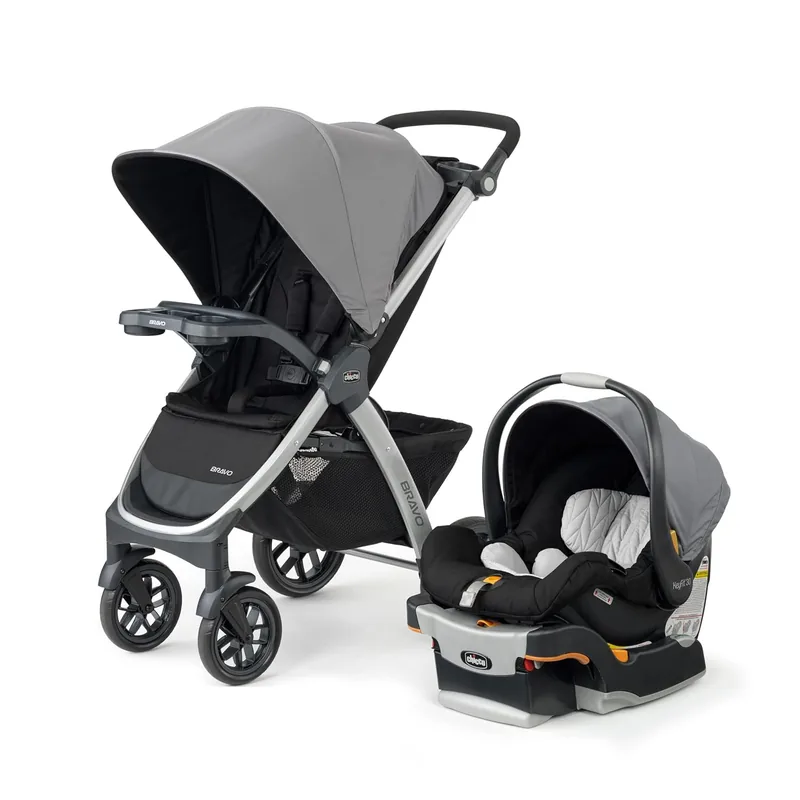
See the shapes a first stroller takes
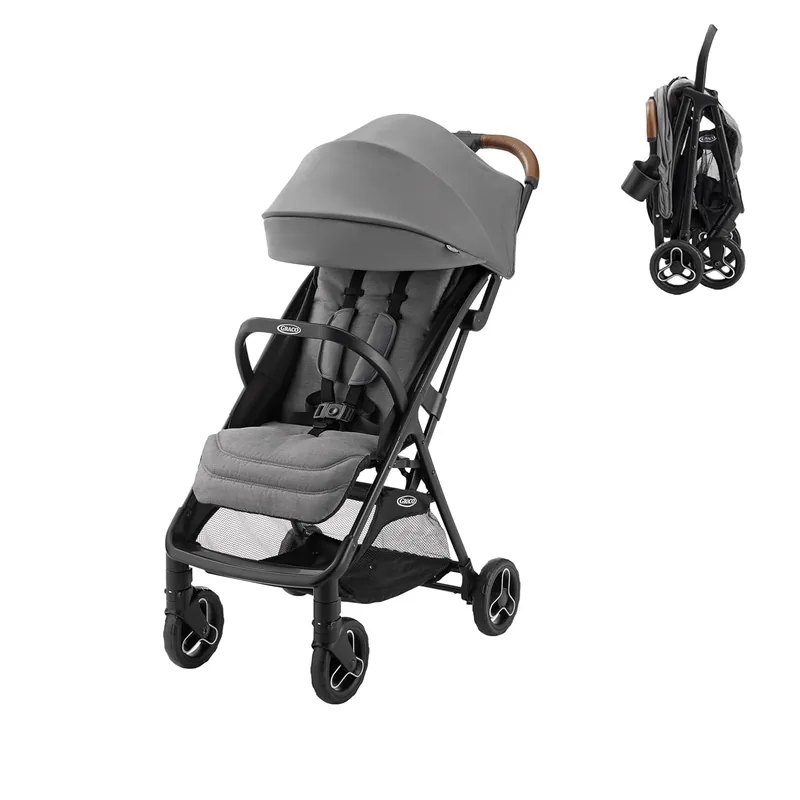
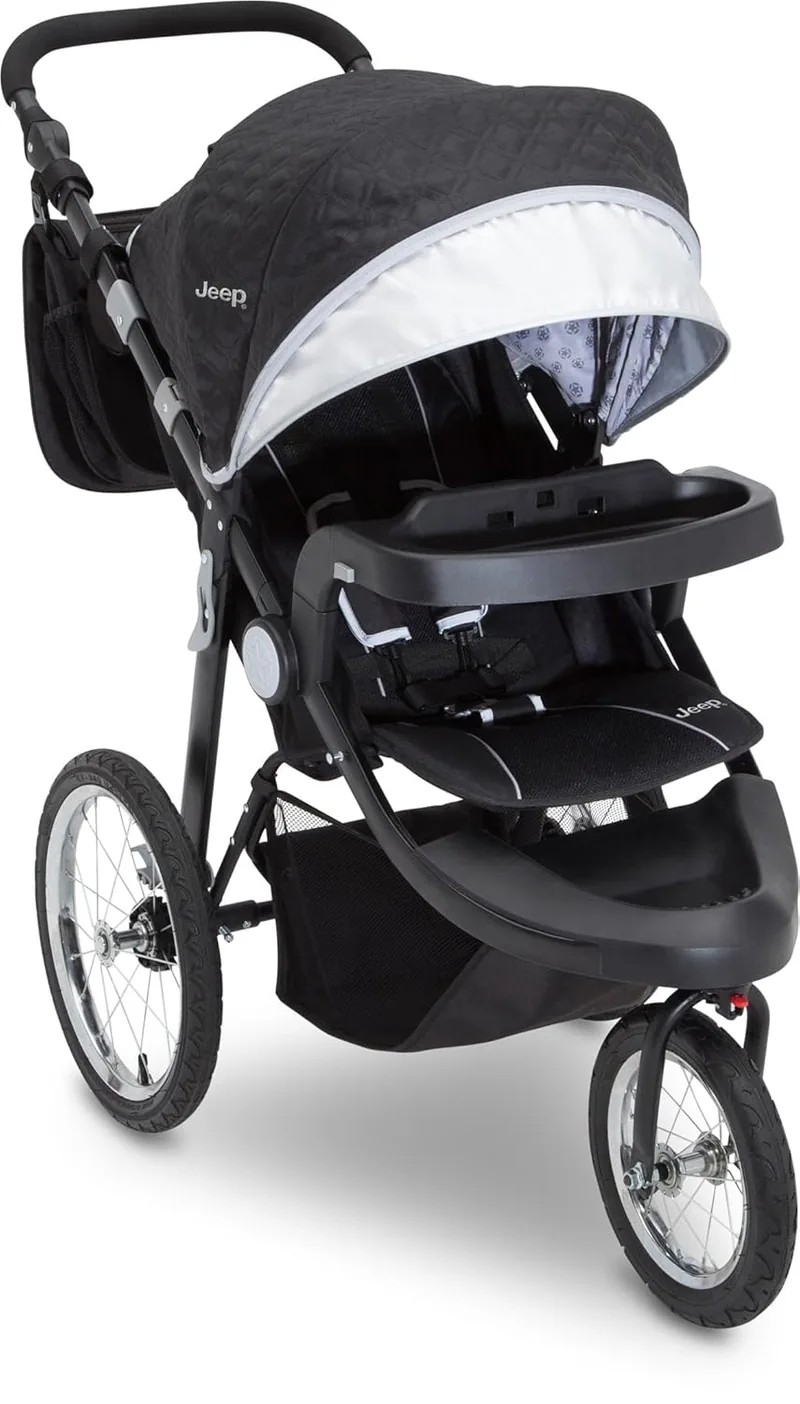
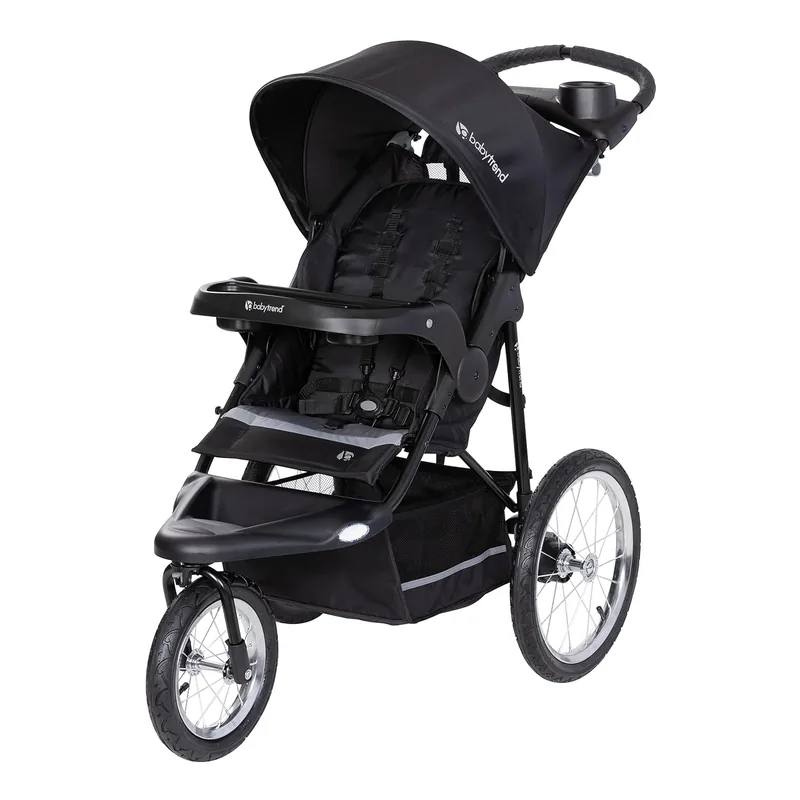
Compare the frames, folds and recline positions pictured below with the fit notes above. Product photos are illustrative; the checks on this page are what decide whether a pram suits a newborn or a sitting toddler.
Newborn vs toddler: the recline decides it
A true newborn stroller must recline to near-flat so an infant who cannot yet hold up their head rides safely. Many lightweight and umbrella frames skip this and are labelled from six months up. If the spec sheet shows a flat or near-flat seat and a head-support insert, the model is built for the earliest weeks; if it only sits upright, wait until the child can sit unassisted.
Check the stated upper weight limit too. A higher limit keeps the stroller useful longer, but only if the seat and frame are rated for it — the number on the box is the figure that counts, not the marketing photo.
The safety marks worth knowing
In the US, strollers are covered by the ASTM F833 consumer safety standard and the CPSC 16 CFR rules; in the EU the equivalent is EN 1888. A model that meets the relevant standard has passed restraint, braking, and stability tests. Treat the mark as a floor, not a ranking — it tells you the stroller is legal to sell, not that one model beats another on comfort.
Beyond the standard, look at the harness (a five-point harness is the norm for a reason), the brake type (foot or hand), and whether the fold latches securely so it cannot collapse on a child's fingers.
Forms and what each is for
Full-size strollers trade weight for suspension, storage, and a proper recline. Lightweight and umbrella models are easier to lift onto a bus but often skip the newborn recline. Jogging strollers add a fixed front wheel and a hand brake for running. Travel strollers fold small for a plane overhead bin but usually carry a lower weight limit. A double or tandem frame solves two children at once but needs to fit through a standard doorway.