BalanceBikeToddler
Which stroller fits at zero to six months, six to eighteen, and eighteen months up. The recline and weight limit change what is safe at each stage.
Stroller by Age: What Changes as Your Child Grows
The same stroller is not safe at every age. The recline a newborn needs, the weight a toddler puts on the frame, and the doorway fit all shift as the child grows.
Buying by age is the simplest way to avoid a stroller that is wrong for the stage you are in. Below are the three bands parents actually face, and the single feature that matters most in each.
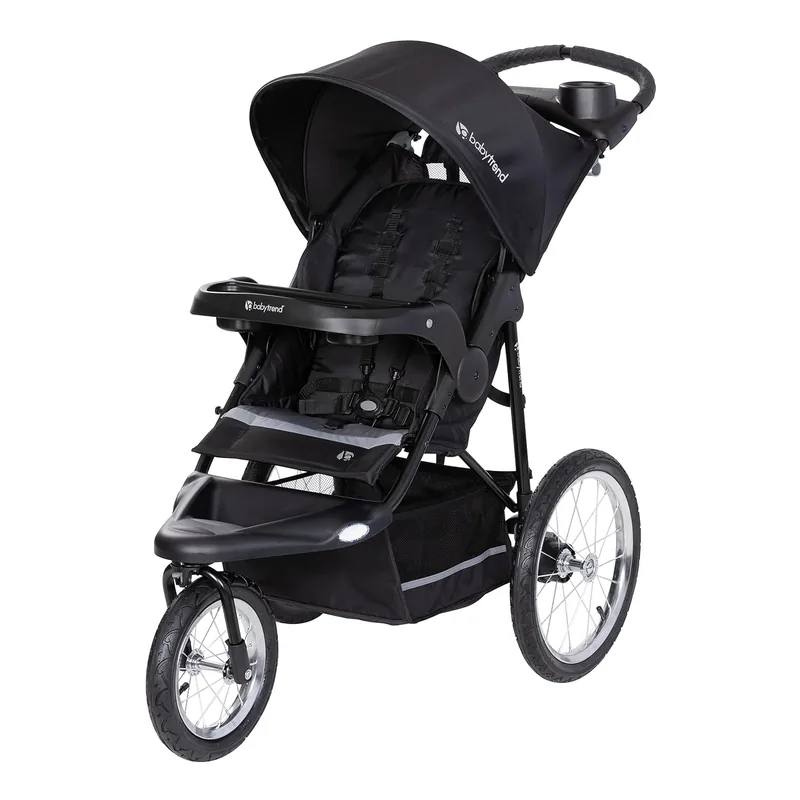
Frames at each stage
Look at how the seat angle and harness layout change across these examples, then match them to the stage a child is in rather than to a label on a box.
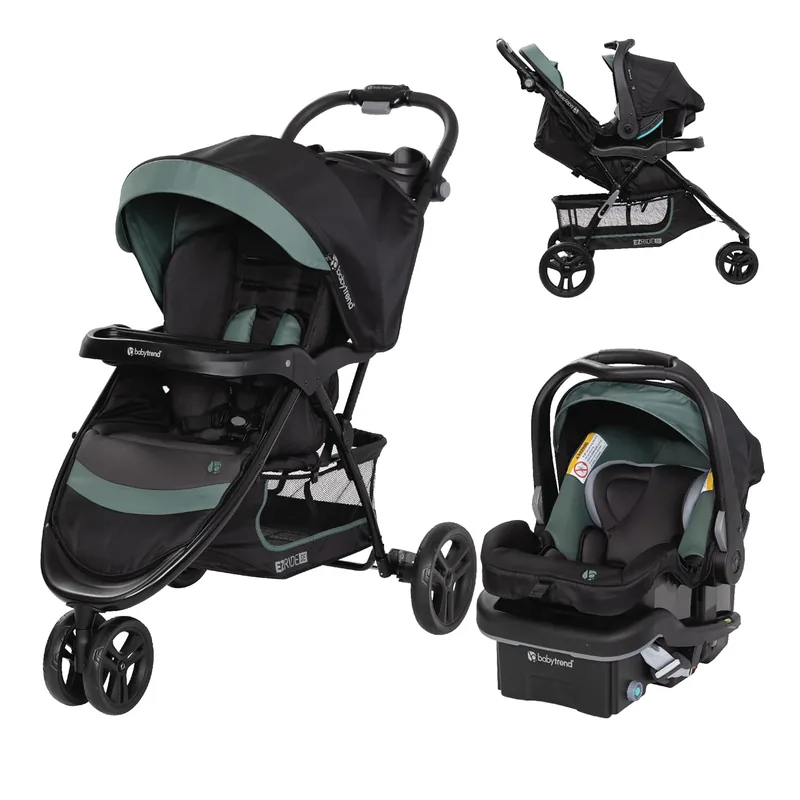
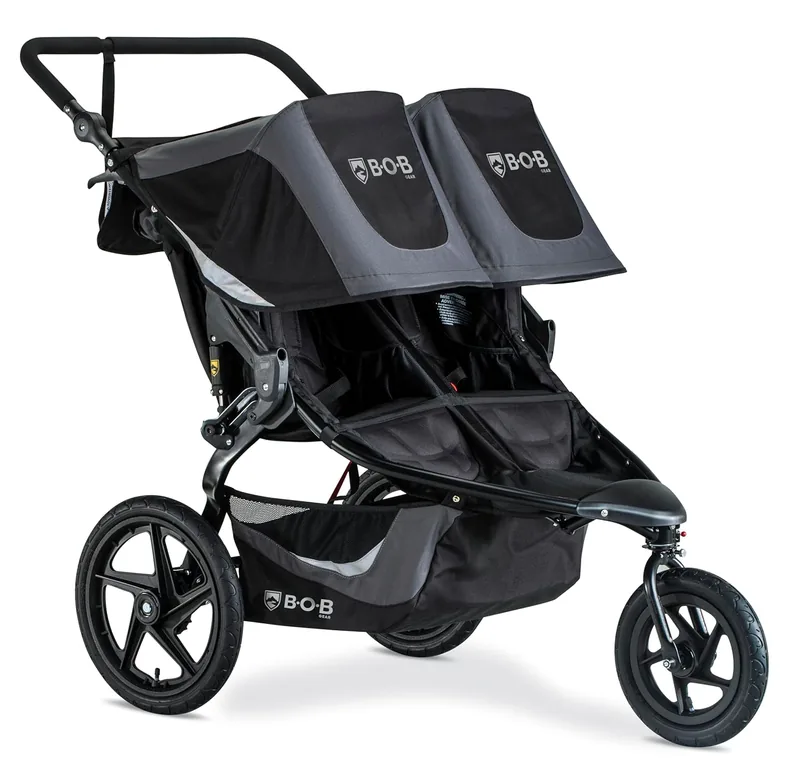
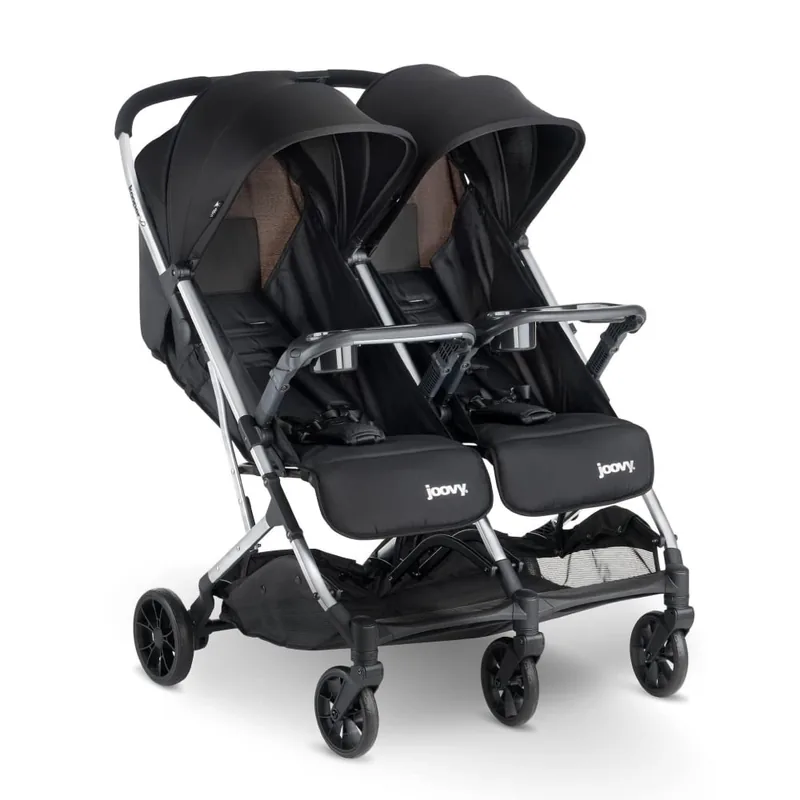
Zero to six months: flat recline is the line
Under about six months a baby cannot sit up, so the seat must recline close to flat and include head support. Any stroller that only sits upright belongs to the next band. This is also where a car-seat-compatible frame earns its keep for short trips.
Six to eighteen months: sitting and exploring
Once the child sits unassisted, an upright seat is fine and a lighter frame becomes practical. The harness and brake still matter, and the canopy should cover a child who is now eye-level with more of the world. Weight limit starts to matter as the toddler gets heavier.
Eighteen months and up: the toddler years
A walking toddler uses the stroller for long outings, not constant carrying. A higher weight limit, a good brake, and an easy fold matter more than a newborn recline you no longer need. Check the upper age or weight the maker states so the frame is not outgrown mid-winter.