BalanceBikeToddler
A kids bike is sized by wheel, not age. How standover, brakes, and weight decide a safe first pedal bike, and when gears and stabilisers fit.
Kids Bike: The First Pedal Bike Done Right
A kids bike is sized by wheel diameter and standover height, not by age. The right weight and brake type matter more than the colour or the number of gears.
After a balance bike, a child moves to pedals; the step that makes it click is a bike they can touch the ground on and lift themselves. Below are the three things that decide the fit.
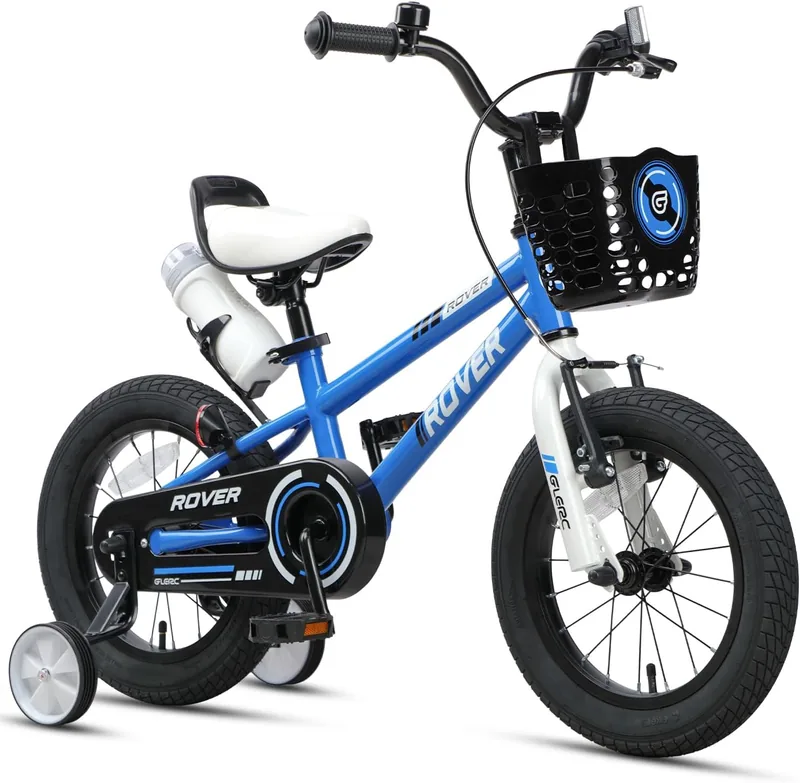
Sizing the first pedal bike
Wheel diameter and standover height read clearly in a side profile. Take the measurements from the child first, then use the photos here as a shape reference, not a size chart.
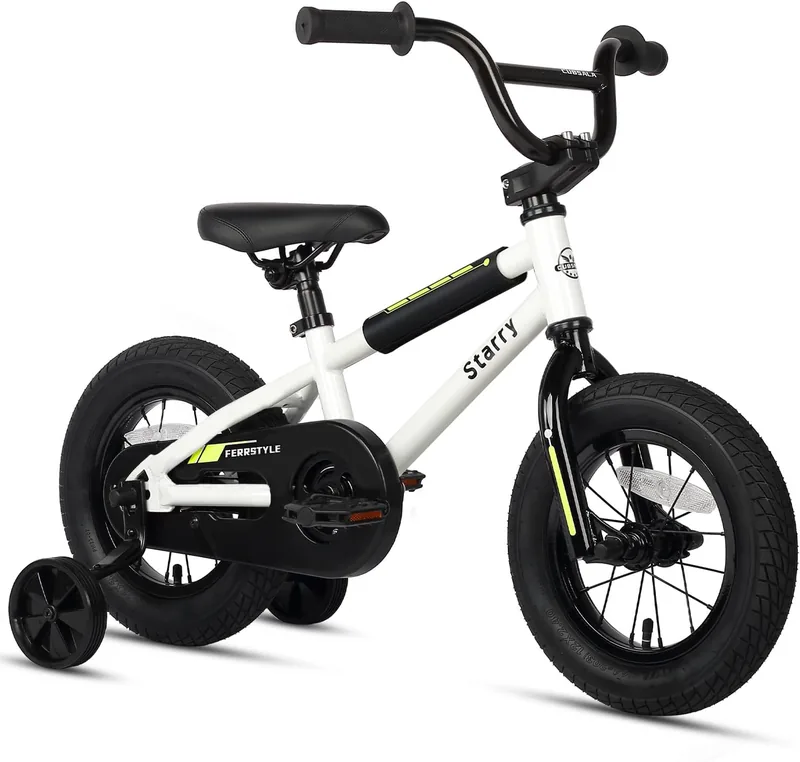
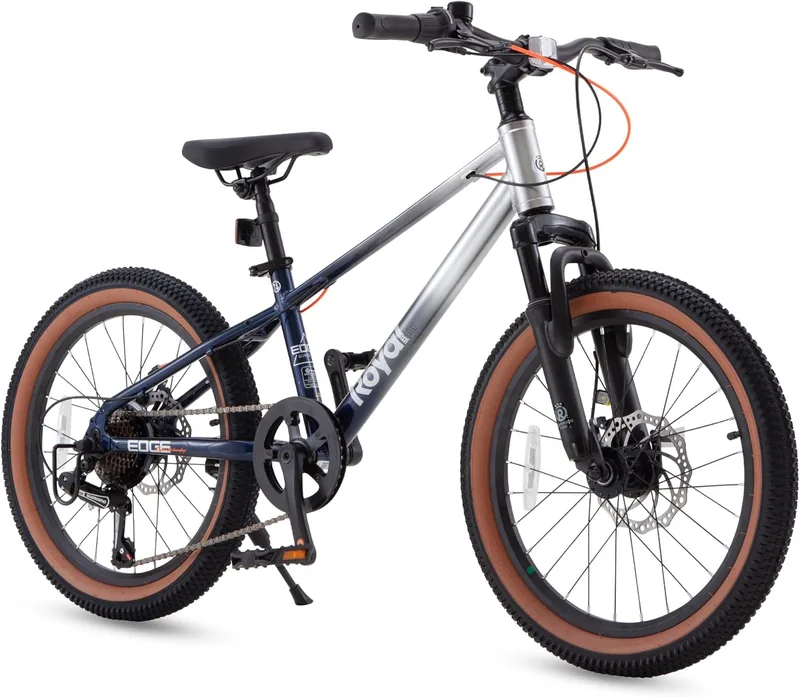
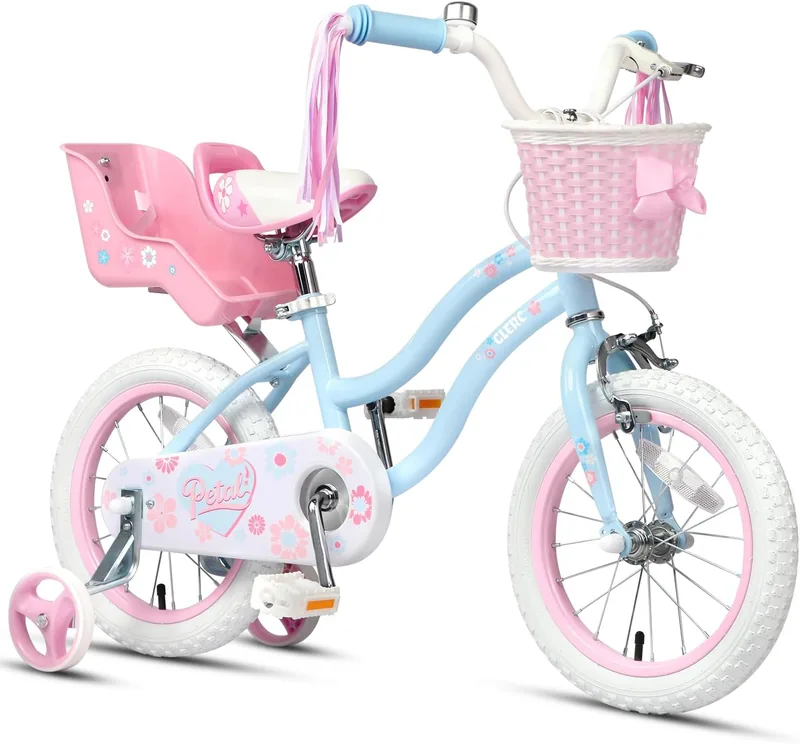
Size by wheel and standover
Wheel sizes step up as the child grows (roughly 12, 14, 16, 20 inches and beyond). The real test is standover: the child should straddle the frame with feet flat and clear the top tube. A bike sized by age alone often fits no one well.
Brakes a small hand can reach
Child-sized levers that a small hand can pull beat a strong adult brake they cannot reach. Coaster brakes are simple but teach the wrong reflex after a balance bike; many parents prefer two hand brakes they can learn on. Check the lever reach, not just the presence of a brake.
Weight and when gears arrive
A lighter bike is easier to balance, lift, and right after a fall. Gears help on hills but add weight and complexity; most first pedal bikes skip them. Stabilisers are a fallback, not a step — a balance-bike background often makes them unnecessary.