BalanceBikeToddler
A balance bike teaches steering and balance before pedals. How seat height, weight, and tires decide the fit, and which ages it suits.
Balance Bike: The First Bike That Skips Training Wheels
A balance bike has no pedals and no chain — a toddler walks, glides, and learns balance first. Getting the seat height and weight right matters more than the frame material.
Balance bikes suit roughly the age a child can walk confidently, often from about 18 months, and stay useful until a child is ready for a pedal bike. The two numbers that decide the fit are the minimum seat height and the bike's own weight.
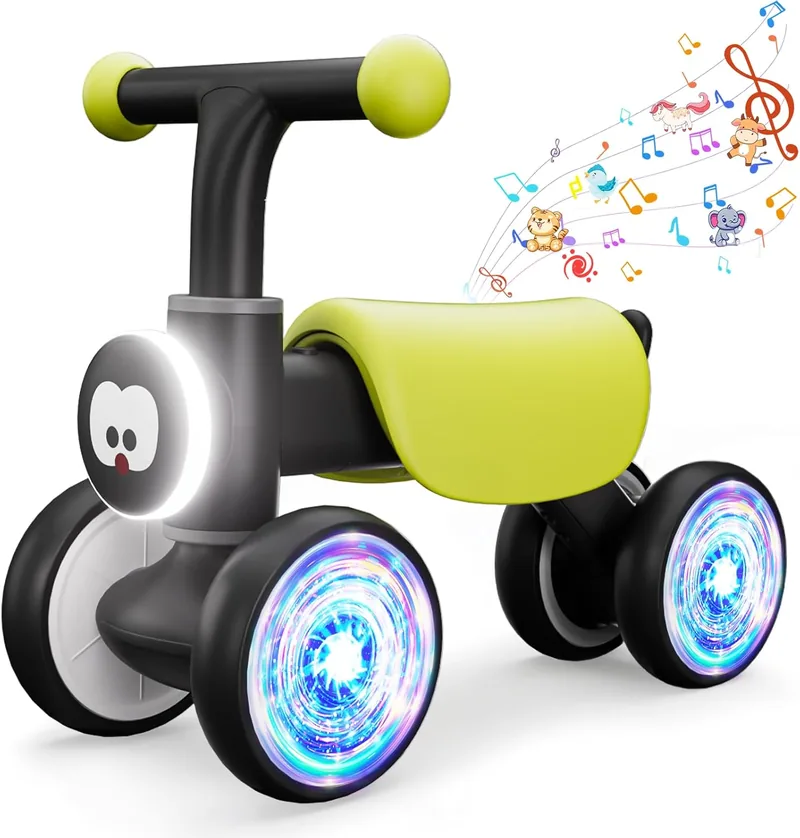
A first bike, seen from the saddle
Notice the low step-through frame and the absence of a chain in these examples. Seat range and overall weight stay the two numbers worth checking before anything else.
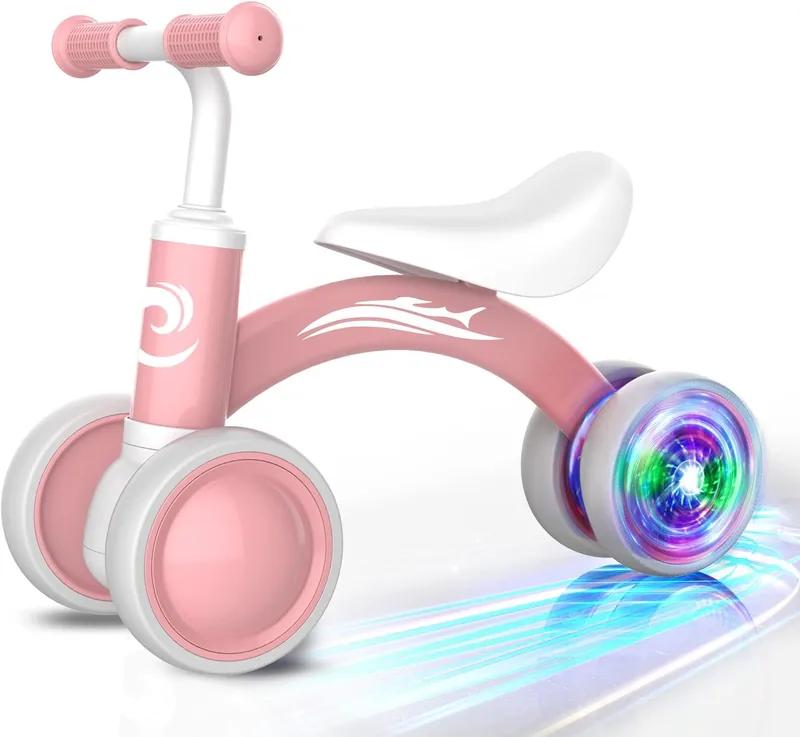
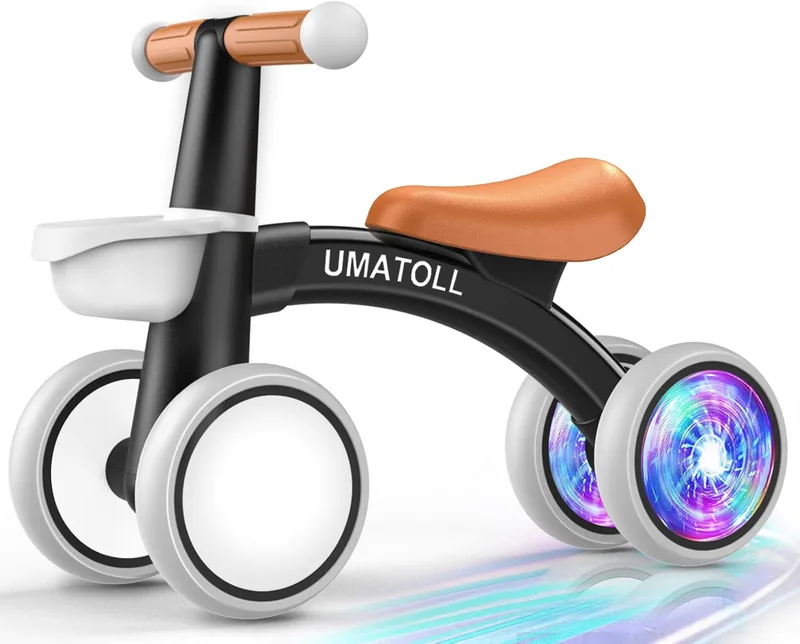
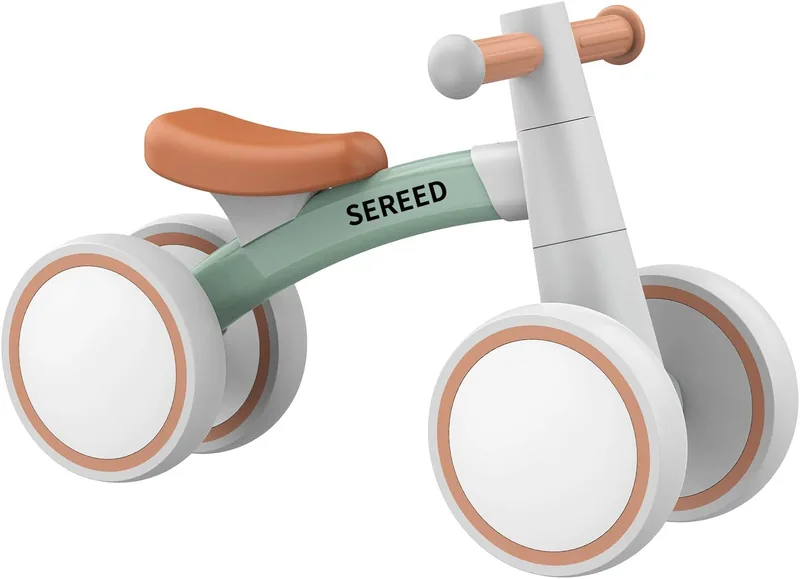
Seat height beats age
A child should be able to sit with both feet flat on the ground and a slight bend in the knee. Measure the inseam and match it to the minimum seat height rather than trusting an age band — children of the same age differ by inches. A seat that adjusts low enough is what lets a younger toddler start.
Weight the child can control
The bike should be light enough for the child to lift, turn, and right after a tip. A heavy frame is harder to learn on and harder for a parent to carry home. Wooden and alloy frames both work; the scale, not the material, is the thing to watch.
Tires: air vs foam
Air tires cushion bumps and grip better; EVA foam tires never go flat and stay light but ride harder. For smooth paths foam is fine, for grass and trails air is kinder. Neither is a safety mark — look for a solid steering limiter and a splinter-free frame finish instead.