BalanceBikeToddler
Lightweight Travel Stroller: How to Choose Under 15 lb
A lightweight travel stroller under about 15 lb folds small and carries easily through airports and cities. How to weigh weight against recline, suspension, and durability before you buy.
By BalanceBikeToddler Editorial Team ·
Short answer: A lightweight travel stroller under about 15 lb folds small and carries easily through airports and cities. How to weigh weight against recline, suspension, and durability before you buy.
Why weight is the first number that matters
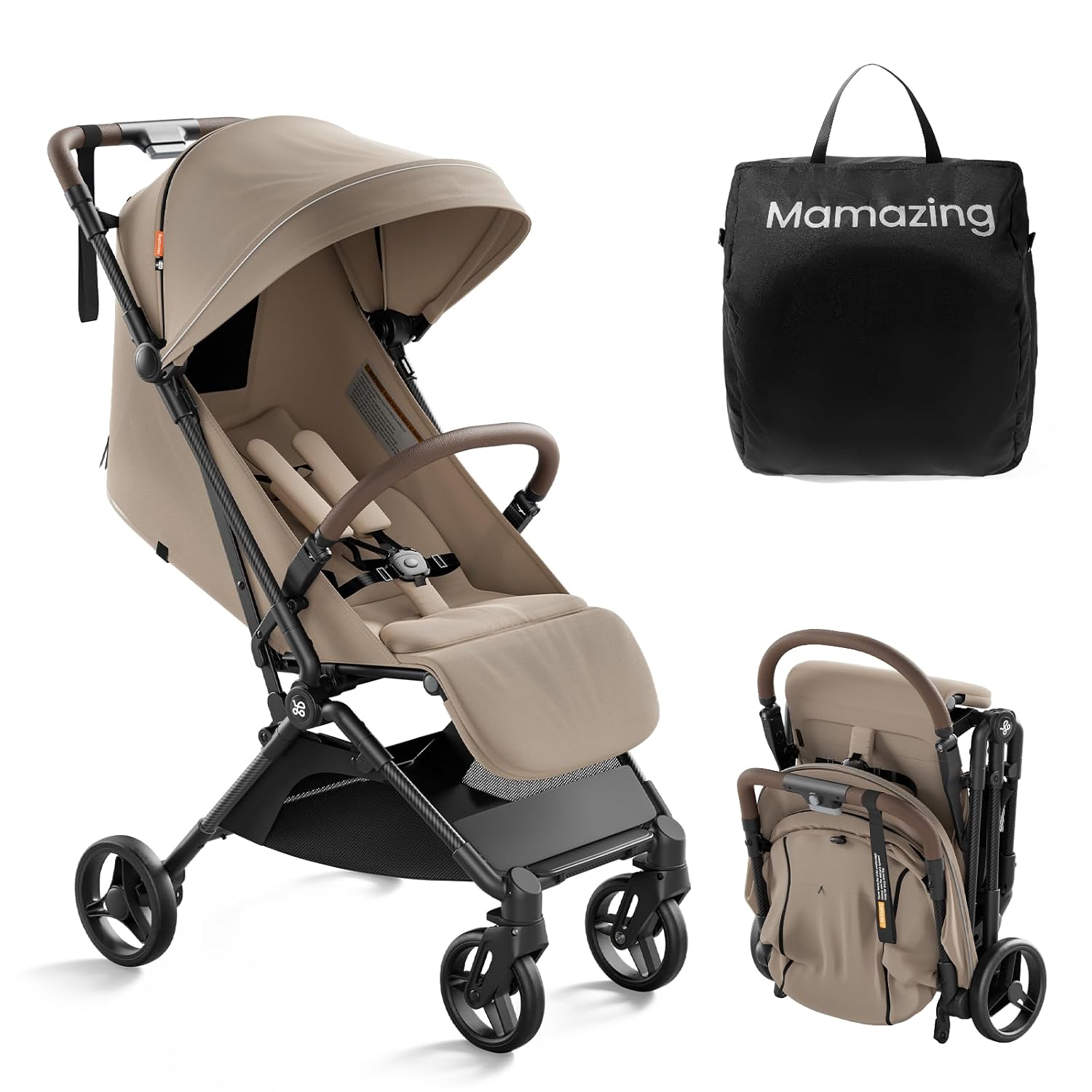
When you are the one carrying the stroller up stairs, onto a train, or through a terminal, the number on the scale stops being a spec sheet and becomes your arms. A lightweight travel stroller is built around one promise: less weight in your hands so you can move through a trip without dreading the next lift. Most parents shopping for one are not chasing the absolute lightest frame on the market. They want a stroller that disappears into a trunk, slides into an overhead bin when allowed, and still gives a tired toddler a safe place to sit.
Weight is the headline, but it is rarely the only thing you should optimize. A frame that sheds pounds by removing the recline, the suspension, and the sun shade can cost you more comfort than it saves you effort. The goal of this guide is to help you find the lightest stroller you can live with, not the lightest stroller that exists.
What "lightweight" actually means
The market uses the word loosely. For travel purposes, a useful way to sort the category is by tiers:
- Ultra-light (roughly 9–13 lb): these are the frames you can sling over a shoulder. They fold flat or into a narrow rectangle and are ideal when every ounce counts, such as for frequent flyers or parents who mostly need a backup stroller at the destination.
- Light (roughly 13–17 lb): the sweet spot for most traveling families. You still get a real seat, a usable recline, and a canopy, while keeping the carry manageable.
- Light-full-size (17–22 lb): technically lighter than a standard everyday stroller but no longer "throw it on your back" light. These bridge the gap if you want one stroller for both home and travel.
The hub guide on the best travel stroller 2026 compares a wider range of folded sizes and weights. This page focuses on the weight decision specifically.
The trade-offs you accept when you go light
Every pound removed comes from somewhere. Be honest about which comforts you are willing to lose.
Recline and naps. The lightest frames often offer only a shallow recline or none at all. If your child naps on the go, a near-flat recline matters more than saving two pounds. Our newborn and young baby picks explain which reclines are safe for the smallest passengers.
Suspension and rough ground. A featherweight frame with tiny wheels will feel every sidewalk crack. If your trip includes cobblestones, boardwalks, or unpaved paths, a slightly heavier stroller with better wheels will be kinder to both child and pusher. The all-terrain guide covers when to step up.
Canopy and weather. Minimalist light frames sometimes ship with a half-canopy. For sunny destinations, a full UPF canopy is worth a little extra weight.
Storage basket. The lighter the stroller, the smaller the basket tends to be. If you carry a day's worth of diapers, snacks, and a jacket, test the basket capacity before committing.
One-hand fold and carry
Weight matters, but how the stroller folds and how you carry it matters just as much. Look for a fold that closes in one motion without a manual. A shoulder strap or a built-in carry handle turns "light" into "easy." Some ultra-lights fold so flat they slide into a tote; others become a compact tube you clip to a backpack.
Practice the fold at home before the trip. A fold that takes thirty seconds in a calm living room can take three minutes in a windy curb with a crying child. The travel system comparison discusses whether a separate lightweight frame beats a do-everything system for trips.
Frame materials
Most lightweight travel strollers use an aluminum alloy frame. Aluminum keeps weight down and resists rust, which is why it dominates travel gear. A few budget frames use heavier steel, which is durable but pushes you toward the top of the weight tiers. If you travel near salt air or rain, aluminum's corrosion resistance is a quiet advantage.
Lightweight vs umbrella vs full-size
These three categories overlap and confuse a lot of buyers. An umbrella vs full-size breakdown lays out the differences in detail. In short: umbrella strollers are usually the lightest and cheapest but skimp on recline and support; full-size strollers are the most capable but too heavy to travel with happily; lightweight travel strollers sit in between, borrowing the portability of an umbrella and the comfort of a smaller full-size.
Matching weight to your child's age
A lightweight frame is especially attractive once your child can sit confidently and no longer needs a fully flat recline. For a toddler, an ultra-light stroller is often perfect: they are heavier to carry but need less padding and support. For a newborn, weight should take a back seat to a safe recline and a compatible car seat or bassinet.
Airplane and gate-check reality
Weight helps at the gate, but the airline's policy matters more. Most airlines let you gate-check a stroller for free, and many allow a compact folding stroller onboard if it fits the overhead bin. A typical overhead bin accepts items around 22 by 14 by 9 inches, though policies vary by aircraft. The airplane travel guide walks through gate-check steps and what to pack.
A short safety checklist
Before any trip, run through the basics in our stroller safety tips: check the brakes, confirm the harness buckles cleanly, and never hang heavy bags on the handlebar, which can tip a light frame backward. A lightweight stroller tips more easily than a heavy one precisely because it weighs less.
Bottom line
Buy the lightest stroller you can actually use, not the lightest one listed. For most traveling families, a 13–17 lb frame with a one-hand fold, a near-flat recline, and a full canopy is the real sweet spot. Step down to ultra-light only if you truly need to minimize every ounce, and step up only if your destinations are rough underfoot. When you are ready to compare specific models, start from the best travel stroller 2026 hub and the product comparison pages.
Related Reviews
Products Mentioned in This Guide
- Dream On Me Aero Travel Umbrella Stroller, One-Hand Quick Fold, 3-Point Safety Harness, Dual Brakes, Adjustable Removable Canopy, Lightweight Compact & Space-Saving, for 6 to 36 Months – BlackSource-based score, full specs & safety checklist for the Dream On Me Aero Travel Umbrella Stroller, One-Hand Quick Fold, 3-Point Safety Harness, Dual Brakes, Adjustable Removable Canopy, Lightweight Compact & Space-Saving, for 6 to 36 Months – Black.
- Kolcraft Cloud Plus Lightweight Umbrella Stroller for Toddlers with Reclining Seat, Large Storage Basket, Canopy, Infant & Parent Trays, Compact Fold for Summer Travel, Durable Frame, Slate GraySource-based score, full specs & safety checklist for the Kolcraft Cloud Plus Lightweight Umbrella Stroller for Toddlers with Reclining Seat, Large Storage Basket, Canopy, Infant & Parent Trays, Compact Fold for Summer Travel, Durable Frame, Slate Gray.
- Baby Trend Dual Stroller with Adjustable Canopy, Storage Basket and Cup Holders, Sit N' Stand Ultra, Phantom – Foldable Infant and Toddler Tandem Stroller and Travel SystemSource-based score, full specs & safety checklist for the Baby Trend Dual Stroller with Adjustable Canopy, Storage Basket and Cup Holders, Sit N' Stand Ultra, Phantom – Foldable Infant and Toddler Tandem Stroller and Travel System.
Continue browsing the full guide library.