BalanceBikeToddler
Best Electric Car for Kids 2026
Compare 12V vs 24V kids electric cars, weight limits, parental remotes, and terrain grip. Use-case picks for toddlers, grass, and two-seat families link out to deep guides.
By BalanceBikeToddler Editorial Team ·
Short answer: Compare 12V vs 24V kids electric cars, weight limits, parental remotes, and terrain grip. Use-case picks for toddlers, grass, and two-seat families link out to deep guides.
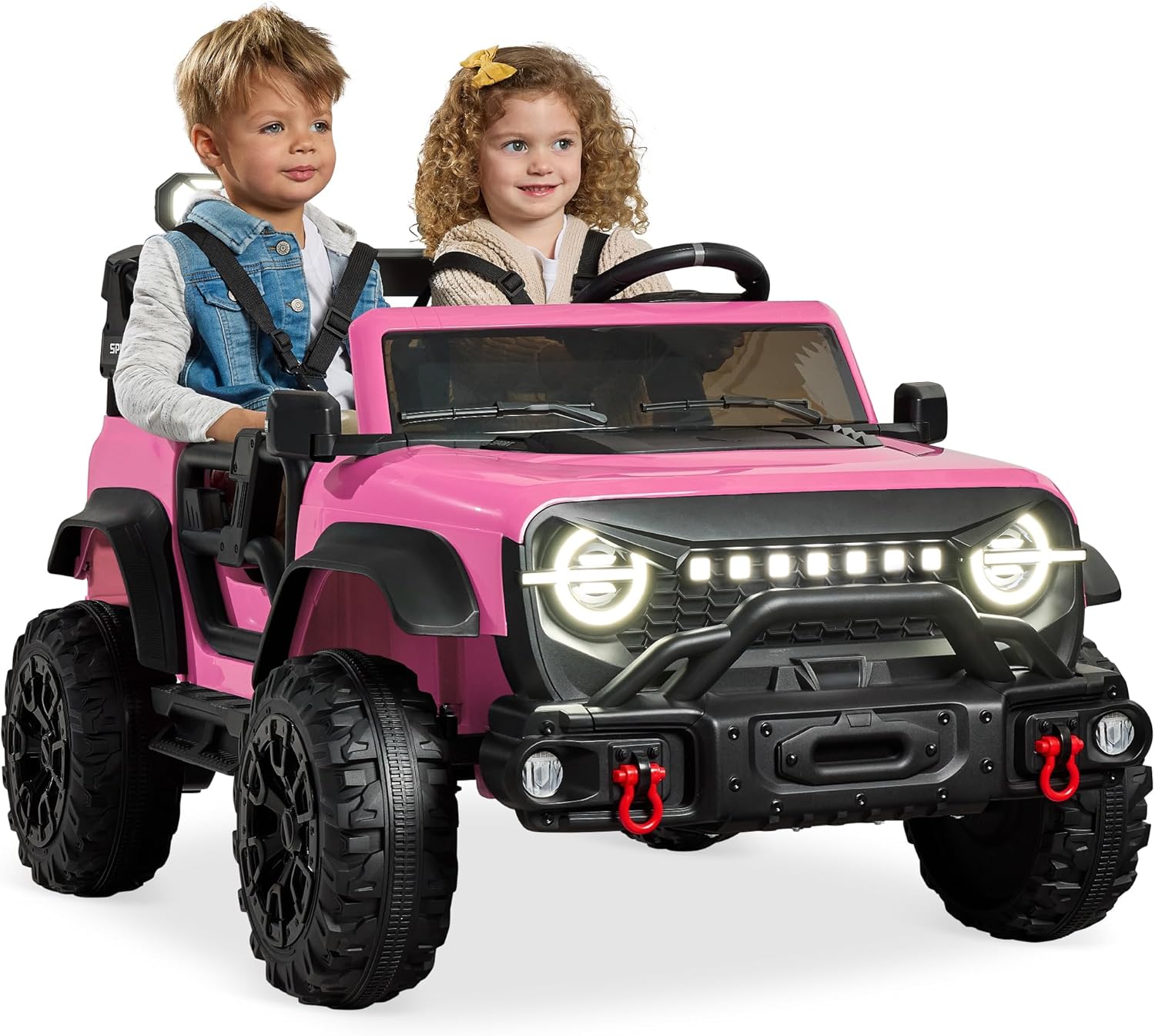
A kids electric car is the most feature-rich ride-on you can buy: a real battery, a throttle, and often a parent remote. This 2026 guide explains how to choose one without overpaying for specs your child will never use, then links to focused guides for each use case.
Start with the child, not the voltage
The single biggest mistake is buying by top speed. A 12V car that fits your three-year-old's height and weight will be used daily; a 24V car that is too big will sit in the garage. Match the car to the child's age band first:
- Toddlers (1-3): look for a low seat, a 6V or 12V drivetrain, and a parent remote you actually control. See our toddler electric car picks.
- Ages 3-5: 12V is the sweet spot for driveways and sidewalks.
- Ages 5-8: 24V starts to make sense for bigger yards and two riders.
12V vs 24V, honestly
The voltage sets torque and top speed, not "quality." A 12V vs 24V comparison breaks down run time, terrain, and when 24V is worth the jump. Short version: 12V handles flat pavement and light grass; 24V holds up on slopes and with a heavier child.
Weight limit is the real safety number
Every listing says "ages 3-8," but the number that matters is the weight limit. A car near its limit accelerates slower, stops worse, and drains the battery fast. Check the per-seat and total limit before you buy, especially for two-seat models.
Parental remote: non-negotiable for beginners
For any child under four, a parental remote is the difference between a calm walk and a sprint. The remote should override the foot pedal completely, not just "assist." Test it the first time on pavement, not in traffic.
Two seats double the math
A two-seater vs single decision is mostly a weight decision. Two kids approach the car's limit quickly, and traction suffers when loaded. If you go two-seat, step up to 24V and rubber or EVA tires, see our best 24V 2-seater.
Grass and terrain change everything
Plastic wheels spin on grass; rubber or foam bites. Our tires and grass guide covers what actually moves on a real lawn versus what stalls halfway across. If most of your riding is off-pavement, terrain grip outweighs top speed.
Budget tiers that make sense
You do not need the most expensive car to get the important features. Our under-$200 guide isolates the models that keep the remote, a real battery, and a usable weight limit at the lowest price.
Battery and storage keep it alive
A ride-on is a battery you sit on. Battery care extends pack life, and winter storage prevents the dead-pack surprise next spring. Both are short reads that save a replacement.
How we pick
We rank by published specs only: stated voltage, weight limit, tire type, remote override, and run time. We do not score by brand or by sponsored placement. The deep guides above each cover one axis in full so you can match the car to your exact yard and child.
Where to buy
Browse the full kids electric car catalog for current models with specs side by side. Use the guides above to shortlist, then compare on the page that matters: weight limit and tire type for your terrain.
Related Reviews
Products Mentioned in This Guide
- Graco SlimFit3 LX 3-in-1 Convertible Car Seat, Slim Car Seat Fits 3 Across, Rear Facing, Forward Facing, to Highback Booster Seat, Perfect for Baby Travel & Gift for New Parents, KunninghamSource-based score, full specs & safety checklist for the Graco SlimFit3 LX 3-in-1 Convertible Car Seat, Slim Car Seat Fits 3 Across, Rear Facing, Forward Facing, to Highback Booster Seat, Perfect for Baby Travel & Gift for New Parents, Kunningham.
- ANPABO 3-in-1 Electric Push Ride On Car, 12V Kids Ride On Toy w/Remote Control, 360° Spin, 5-Point Safety Belt, Colorful LEDSource-based score, full specs & safety checklist for the ANPABO 3-in-1 Electric Push Ride On Car, 12V Kids Ride On Toy w/Remote Control, 360° Spin, 5-Point Safety Belt, Colorful LED.
- First Ride On 36V Kids Ride On UTV, 2-Seater 400W Electric Car for Kids 6+, 5-8 MPH Speed, 14" EVA Wheels, Metal Frame, BluetSource-based score, full specs & safety checklist for the First Ride On 36V Kids Ride On UTV, 2-Seater 400W Electric Car for Kids 6+, 5-8 MPH Speed, 14" EVA Wheels, Metal Frame, Bluet.
Continue browsing the full guide library.