BalanceBikeToddler
Best Convertible & Toddler Car Seats 2026 Lab-Tested
Find the safest convertible and booster car seats for your child. Compare lab-tested scores, weight limits, and safety features for top brands like Graco and Evenflo.
Find the safest convertible and booster car seats for your child. Compare lab-tested scores, weight limits, and safety features for top brands like Graco and Evenflo. Every model below carries a BalanceBikeToddler editorial score from our lab checklist, with user ratings and typical pricing where available.
3 lab-tested car seats · updated regularly from the live CMS.
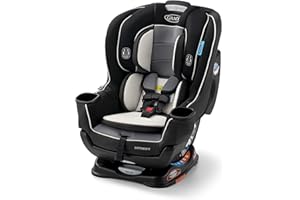
Graco Extend2Fit Convertible Car Seat, Rear and Forward Facing Car Seat
Best for: toddler families — daily family use. Test notes: up to 50 lb rear-facing, allowing your child to safely ride rear-facing longer. K
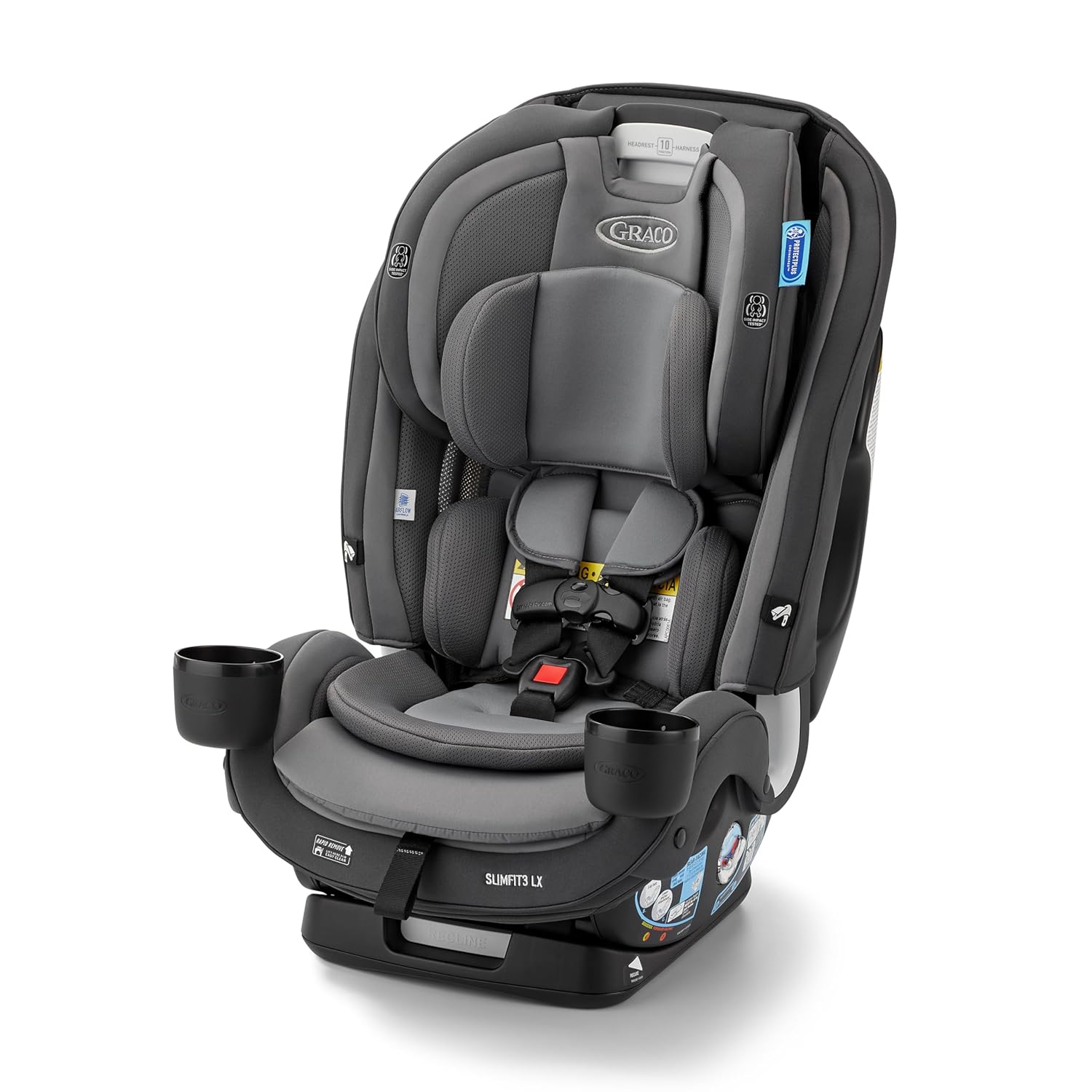
Graco SlimFit3 LX 3-in-1 Convertible Car Seat
Best for: toddler families — daily family use. Test notes: the 19.2 lb build. Key takeaway: 9.1/10 overall at $299.99 — a class-leading pick
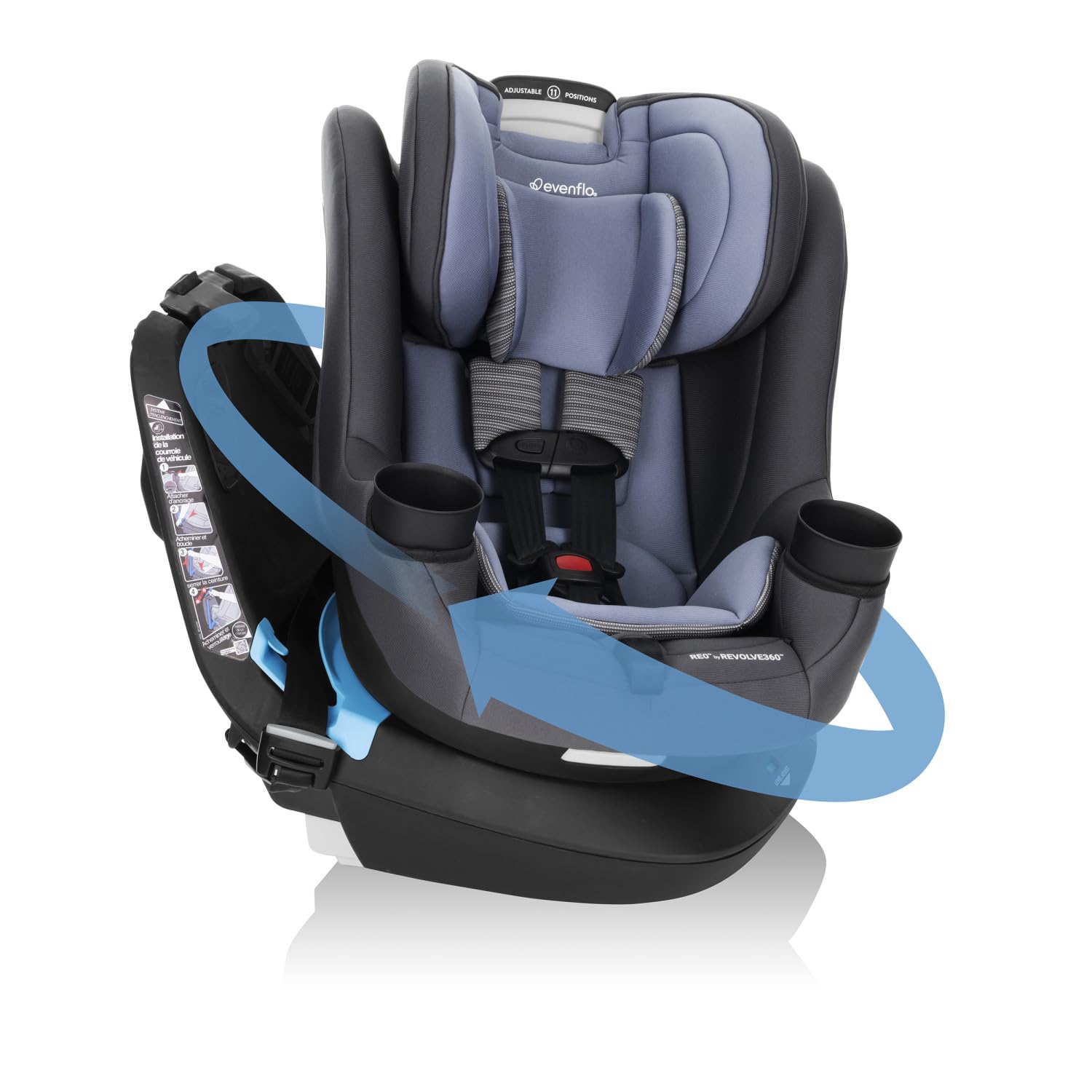
Evenflo REO by Revolve360 Rotating 2-in-1 Convertible Car Seat
Best for: 6 months-3 years (parent-pushed) — daily outings with a parent. Test notes: the 23.6 lb build. Key takeaway: 8.7/10 overall at $23
Buying Guide
Car Seats buying guide & FAQ
A car seat is the one product in this entire store where the purchase decision is genuinely safety-critical every single ride, which is why our scoring here is the strictest: crash-test performance records, side-impact protection structure, harness systems that adjust without re-threading, and installation hardware that survives real-world use — because a correctly chosen seat installed loosely protects far less than its test score implies.
Fit runs the decision, in two directions at once. The seat must match the child today (height and weight limits define how long it lasts) and the vehicle it rides in (belt geometry, ISOFIX/LATCH anchor spacing, and the seat's footprint versus your back seat). Convertible seats span rear-facing toddlerhood into forward-facing preschool years; boosters finish the job by positioning the adult belt across strong hip and shoulder bones. The card specs split those limits out explicitly so you can buy for the years you actually need.