BalanceBikeToddler
Choosing and Using Child Safety Seats
Child safety seat, car seat, i-Size standard, buying guide, parenting tips, child travel safety
By BalanceBikeToddler Editorial Team ·
Short answer: Child safety seat, car seat, i-Size standard, buying guide, parenting tips, child travel safety
When traveling with children, safety always comes first. The impact force from sudden braking or collisions can be devastating to a child, making the child safety seat the ultimate line of defense for their lives.
Why is a Safety Seat Essential?
Adult seatbelts in cars are designed based on adult heights and skeletal development. During a collision, standard seatbelts fail to restrain children properly and can instead choke or injure their necks and abdomens. NHTSA estimates that properly using a safety seat reduces infant mortality by over 70% and toddler mortality by over 50%.
How to Choose Based on Age and Weight?
Safety seats are generally categorized by age, height, or weight groups:
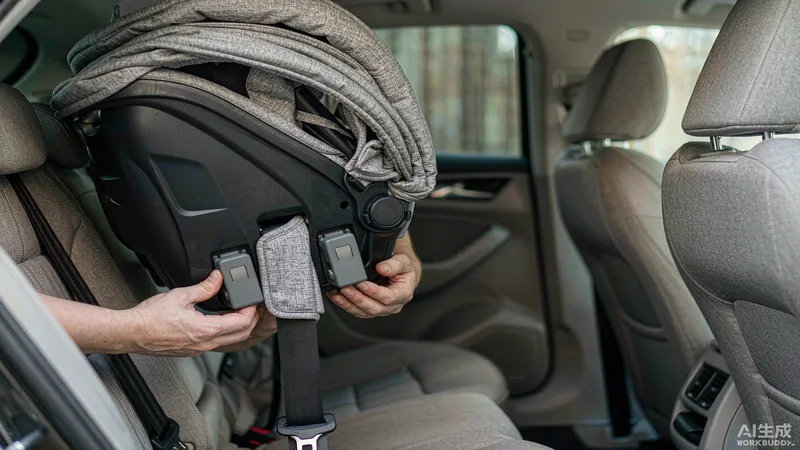
- Rear-Facing Infant Car Seats: Suitable for newborns up to about 15 months. Rear-facing installation most effectively disperses impact forces on an infant's fragile neck and head.
- Convertible Seats: Suitable for toddlers up to 4 years and older. It is recommended to keep children rear-facing as long as possible until they exceed the limit.
- High-Back Booster Seats: Suitable for children aged 4 to 12 who have reached specific height requirements, elevating them so the vehicle seatbelt crosses correctly over the shoulder and pelvis.
Common Installation and Usage Mistakes
- Mistake 1: Holding the child in the back seat. During a crash, a parent's arms cannot withstand tens of times the impact force, making the child prone to flying out.
- Mistake 2: Loose installation or loose harness straps. Seats must be rigidly secured using ISOFIX connectors or seatbelts, with no more than 2-3 cm of movement.
Related Products
- Graco SlimFit3 LX 3-in-1 Convertible Car Seat, Slim Car Seat Fits 3 Across, Rear Facing, Forward Facing, to Highback Booster Seat, Perfect for Baby Travel & Gift for New Parents, KunninghamSource-based score, full specs & safety checklist for the Graco SlimFit3 LX 3-in-1 Convertible Car Seat, Slim Car Seat Fits 3 Across, Rear Facing, Forward Facing, to Highback Booster Seat, Perfect for Baby Travel & Gift for New Parents, Kunningham.
- Graco Extend2Fit Convertible Car Seat, Rear and Forward Facing Car Seat with Adjustable Extension Panel for Extra Legroom, GrSource-based score, full specs & safety checklist for the Graco Extend2Fit Convertible Car Seat, Rear and Forward Facing Car Seat with Adjustable Extension Panel for Extra Legroom, Gr.
- Chicco Bravo 3-in-1 Trio Travel System, Bravo Quick-Fold Stroller with KeyFit 30 Infant Car Seat and Base, Camden/BlackSource-based score, full specs & safety checklist for the Chicco Bravo 3-in-1 Trio Travel System, Bravo Quick-Fold Stroller with KeyFit 30 Infant Car Seat and Base, Camden/Black.
Continue reading the latest news or browse the guide library.