BalanceBikeToddler
Moving a Child From Three Wheels to Two
The move to two wheels is a balance question, not an age one. The signs that say a child is ready, and the ones that do not.
By BalanceBikeToddler Editorial Team ·
Short answer: The move to two wheels is a balance question, not an age one. The signs that say a child is ready, and the ones that do not.
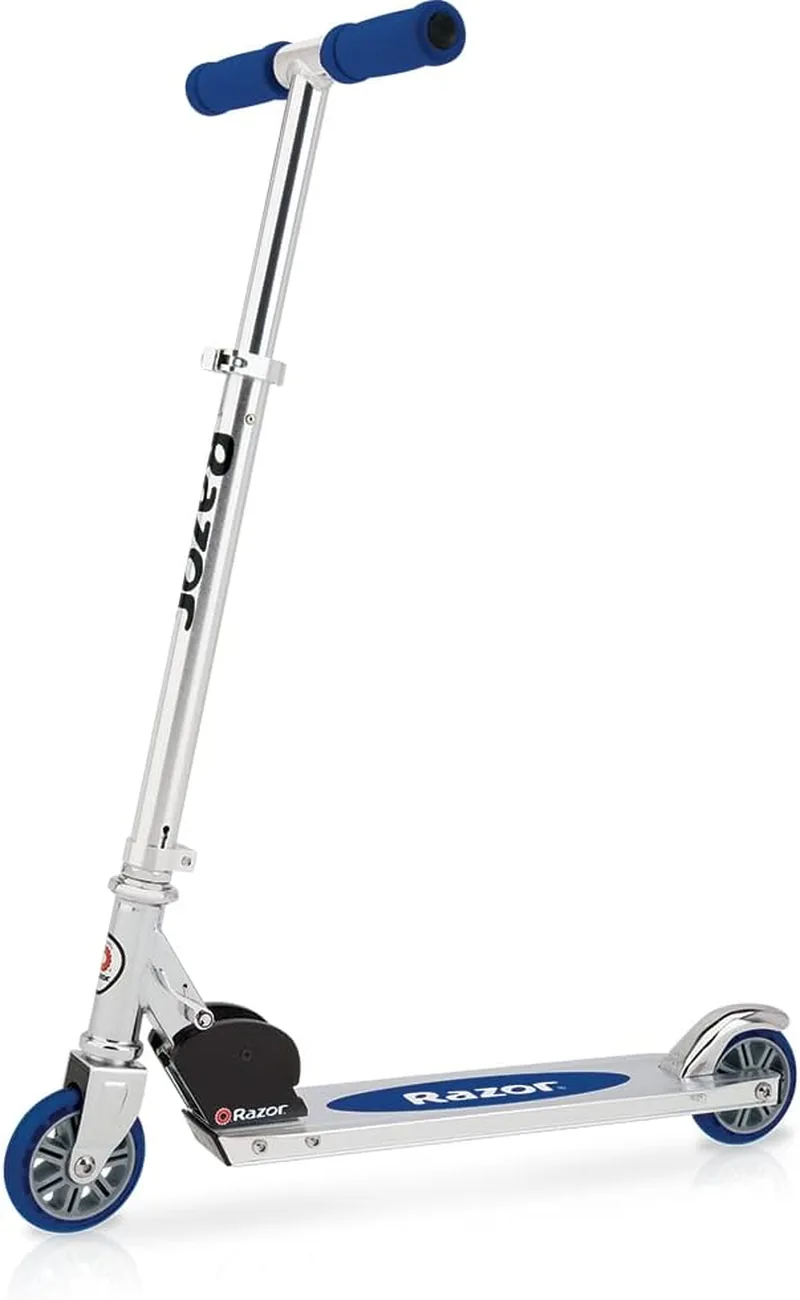
The move from a three-wheel scooter to a two-wheel one is usually timed by age, and age is the worst available signal. Two children of the same age can be a year apart in readiness, and the difference is almost entirely about how much time they have spent steering rather than being steered.
The signals that mean ready
Four behaviours, all observable, none of them about age.
The child steers by leaning without appearing to think about it. On a three-wheeler that means the lean has become automatic rather than deliberate.
The child stops where they intend to, not where the scooter happens to stop. Ask them to stop at a particular paving slab and watch whether they do.
The child steps off without looking down, and without the scooter tipping. That is a balance and confidence test in one.
The child coasts. Pushing, then lifting both feet and letting the scooter roll, is the closest thing a three-wheeler offers to the balance a two-wheeler needs.
The signals that do not mean ready
Height and age are the tempting ones and both are unreliable. A tall four-year-old who has ridden for a month is less ready than an average six-year-old who has ridden for two years.
Asking for a two-wheeler is not a signal either, though it is worth listening to. The request usually means the child has noticed that older children ride faster, which is a good reason to want one and not evidence of readiness.
Speed is also misleading. A child who is fast on three wheels is often fast because the scooter is stable, not because they are balanced. Take the stability away and the speed goes with it.
Make the transition reversible
Keep the three-wheel scooter. A child who moves to two wheels and finds it harder than expected should be able to go back for an afternoon without it being a defeat. Children who are allowed to retreat generally return to the harder thing sooner than children who are made to commit.
If the two-wheel scooter arrives as a replacement rather than an addition, the child has no fallback and the stakes on the first ride become unnecessarily high.
The first ride on two wheels
Start on flat, smooth ground with nothing to hit. The child stands with both feet on the deck, both hands on the bar, and the first exercise is the same as on three wheels: stand still. A two-wheel scooter will not do that on its own, so the child holds the bar and finds the balance point with an adult standing by but not holding.
Then one push and coast. Not push and ride. The goal of the first several sessions is gliding with both feet off the deck, because that is the only part of scooting that requires balance.
Falls at this stage are usually sideways and slow, at near-zero speed. A helmet and knee pads are not a formality here; they are what lets the child try again after the first one.
Wheels and the surface
Small hard wheels, which most two-wheel scooters have, work well on smooth pavement and poorly on anything else. A child learning on a cracked sidewalk will feel every joint through the bar and will read the vibration as instability.
Choose the smoothest available surface for the transition. It removes a variable the child is not yet able to separate from their own balance.
Related Reviews
Products Mentioned in This Guide
- Green Mini 3 Wheel Scooter for Kids – Lean-to-Steer with LED Light-Up Wheels, Adjustable Handlebar, Wide Anti-Slip Deck, SmooSource-based score, full specs & safety checklist for the Green Mini 3 Wheel Scooter for Kids – Lean-to-Steer with LED Light-Up Wheels, Adjustable Handlebar, Wide Anti-Slip Deck, Smoo.
- Step2 Whisper Ride II Kids Push Car, Ride-On Car with Seat Belt and Horn, Quick Fold Handle, Stroller Alternative, Toddlers aSource-based score, full specs & safety checklist for the Step2 Whisper Ride II Kids Push Car, Ride-On Car with Seat Belt and Horn, Quick Fold Handle, Stroller Alternative, Toddlers a.
- ANPABO 3-in-1 Electric Push Ride On Car, 12V Kids Ride On Toy w/Remote Control, 360° Spin, 5-Point Safety Belt, Colorful LEDSource-based score, full specs & safety checklist for the ANPABO 3-in-1 Electric Push Ride On Car, 12V Kids Ride On Toy w/Remote Control, 360° Spin, 5-Point Safety Belt, Colorful LED.
Continue browsing the full guide library.